

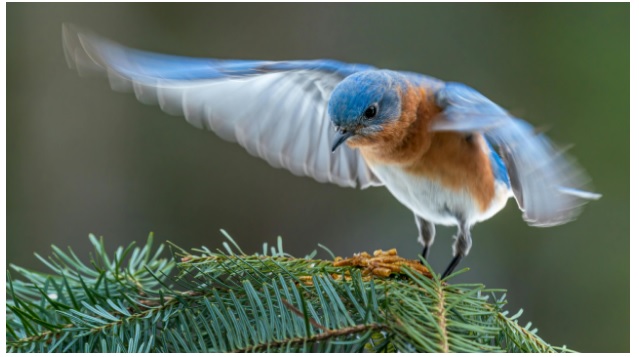
There’s something undeniably magical about bird photography.
One moment you’re watching a blur of feathers in the trees, the next—you’re freezing it mid-flight, wings outstretched, light hitting just right. It’s poetry with a camera. But for every awe-inspiring capture, there are a dozen not-so-perfect shots that leave beginners (and even seasoned shooters) scratching their heads.
If you’ve been struggling to get the results you want, don’t worry—you’re not alone. Here are some of the most common bird photography mistakes and, more importantly, how to fix them.
1. Shooting in Auto Mode Too Often
The mistake:
Trusting your camera’s Auto mode to figure it all out.
Why does it hurt your shots?
Auto mode isn’t built for fast, unpredictable subjects. Birds are quick, erratic, and rarely pose nicely. Auto tends to prioritize exposure, not action—resulting in soft or blurry images.
The fix:
Learn to shoot in Aperture Priority (Av/A) or Shutter Priority (Tv/S) mode. For flying birds, a fast shutter speed is key—start with 1/1000 sec or faster. Combine this with continuous autofocus (AI Servo/AF-C) and burst mode to increase your chances of nailing the moment.
2. Poor Background Choices
The mistake:
Focusing so much on the bird that you forget about the background.
Why does it hurt your shots?
A cluttered or distracting background can completely kill the vibe of an otherwise great photo. Bright spots, harsh branches, or random objects draw the eye away from your subject.
The fix:
Before pressing the shutter, do a quick background check. Can you shift your angle for a cleaner backdrop? Use a wide aperture (like f/5.6 or lower) to blur out the background and make your subject pop. Positioning yourself with a distant background behind the bird works wonders.
3. Getting Too Close Too Fast
The mistake:
Trying to sneak in for that frame-filling shot… and scaring the bird away.
Why does it hurt your shots?
Birds are skittish by nature. The moment they sense danger (yes, even from your friendly camera), they’re gone—and so is your shot.
The fix:
Practice patience and distance. Use a telephoto lens—something in the 300mm+ range—to keep space between you and your subject. Better yet, let the bird come to you. Find a good perch, sit still, and blend into the environment. Your reward? Natural, relaxed behavior—and better shots.
4. Ignoring Light Direction
The mistake:
Shooting birds with harsh midday sun or from the wrong angle.
Why does it hurt your shots?
Lighting can make or break bird photography. Shooting with the sun directly above (or behind your subject) often leads to shadows, blown highlights, and flat color.
The fix:
Golden hour is your best friend—aim for early morning or late afternoon light. Always try to shoot with the sun behind you, so your subject is well-lit and your colors glow. Cloudy days also offer soft, even lighting that’s great for feather detail.
5. Forgetting to Focus on the Eyes
The mistake:
Letting the camera lock focus on the body, wing, or background.
Why does it hurt your shots?
In wildlife photography, sharp eyes = emotional connection. If the eye isn’t tack-sharp, the image feels flat—no matter how great the rest of the frame is.
The fix:
Use single-point autofocus, and place it directly on the bird’s eye. Many newer cameras also have animal eye-tracking AF—turn it on if you’ve got it. And don’t forget to zoom in while reviewing your shots to check sharpness.
6. Overediting or Oversaturating
The mistake:
Cranking up the colors, contrast, or sharpening in post.
Why does it hurt your shots?
Birds are naturally beautiful—you don’t need to force it. Overediting can make your photo look artificial and distract from the natural elegance of your subject.
The fix:
Less is more. Adjust exposure, highlights, shadows, and clarity gently. Stick to natural-looking tones unless you’re going for an artistic interpretation. Always compare your edit to the original before calling it final.
Final Thoughts: Mistakes Make Better Bird Photographers
Every great bird photographer started with blurry shots, missed moments, and lots of trial and error. These mistakes aren’t failures—they’re steps on the path to something better. The more you learn, observe, and adapt, the stronger your instincts (and your images) become.
So next time you head out with your camera, remember: bird photography isn’t just about capturing wings and feathers—it’s about capturing fleeting moments of wild beauty. And fixing a few common mistakes along the way? That just makes you sharper, faster, and more creative.
Happy shooting—and may your next frame be a keeper.