

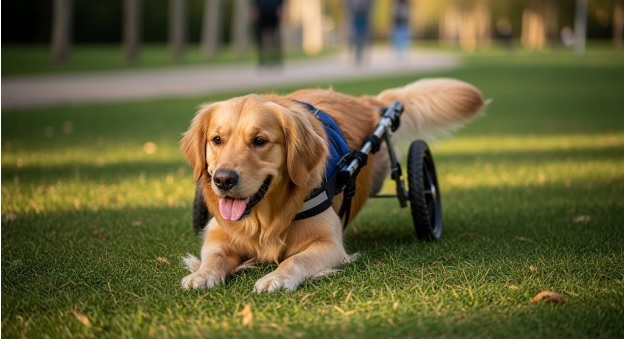
Sudden paralysis in dogs is a terrifying experience that can leave pet owners feeling helpless and panicked. This condition, where a dog abruptly loses the ability to move one or more limbs, demands immediate attention and careful handling to improve the chances of recovery.
Unfortunately, in the heat of an emergency, well-meaning owners often make mistakes that may complicate the situation.
Understanding these common pitfalls can help you respond effectively and provide the best care for your dog.
1. Delaying Veterinary Care
One of the biggest mistakes pet owners make during a dog’s sudden paralysis is waiting too long to seek veterinary attention. Paralysis is often a symptom of serious issues such as intervertebral disc disease (IVDD), spinal trauma, infections, or tick paralysis. Delaying care can lead to worsening nerve damage, decreased chances of recovery, and even permanent paralysis.
Immediate veterinary evaluation is essential to diagnose the cause quickly and begin appropriate treatment such as medication, surgery, or supportive care. If your dog shows signs of sudden paralysis, don’t hesitate to contact an emergency vet or neurologist.
2. Attempting to Move the Dog Improperly
Trying to move or lift a paralyzed dog incorrectly can cause further injury, especially if the paralysis stems from spinal cord damage. Owners may unintentionally worsen nerve compression or cause fractures by dragging or lifting without proper support.
If your dog suddenly becomes paralyzed, keep them as still and comfortable as possible. Use a flat, sturdy surface like a board or a blanket to transport them gently. Avoid sudden movements, and never let a paralyzed dog walk or put weight on affected limbs until examined by a professional.
3. Giving Over-the-Counter Medications Without Guidance
In a panic, some owners administer human painkillers or anti-inflammatory drugs to their dog. This can be extremely dangerous as many human medications are toxic to dogs, or dosing errors can occur. Additionally, masking symptoms with drugs without knowing the exact cause can delay proper diagnosis.
Always consult a veterinarian before giving any medication to your dog, especially during neurological emergencies. Veterinary professionals prescribe safe and effective drugs specifically designed for pets.
4. Overlooking Bladder and Bowel Care
Sudden paralysis often affects nerves controlling bladder and bowel function. Some owners fail to recognize the importance of managing incontinence, which can lead to secondary infections, skin sores, and discomfort for the dog.
Proper bladder expression techniques under veterinary guidance, hygiene maintenance, and frequent cleaning are critical. Early attention to this aspect improves comfort and reduces complications during recovery.
5. Ignoring Post-Diagnosis Rehabilitation
After the initial emergency, rehabilitation is crucial for dogs recovering from sudden paralysis. Unfortunately, many owners underestimate the importance of physical therapy, hydrotherapy, and other rehabilitation modalities.
Rehabilitation helps rebuild muscle strength, improve coordination, and prevent complications like muscle atrophy. Collaborating with veterinary neurologists and rehabilitation specialists ensures your dog gets a personalized recovery plan that maximizes their chances of regaining mobility.
6. Not Preparing for Long-Term Care Needs
Sudden paralysis can result in temporary or permanent disability. Owners sometimes are unprepared for the level of care, assistance, and environmental modifications required. This can lead to frustration or neglect of the dog’s special needs.
Preparation involves arranging appropriate bedding, assistive devices such as wheelchairs or slings, and adapting living spaces for easy access. Emotional support and patience are just as important during this transition period.
7. Failing to Recognize Early Signs
Waiting for complete paralysis before taking action is dangerous. Early signs such as weakness, wobbliness, reluctance to walk, or signs of pain should not be overlooked. Seeking prompt veterinary advice during these early symptoms can prevent progression to complete paralysis.
Conclusion
Responding correctly to a dog’s sudden paralysis can significantly influence the outcome for your pet. Avoiding mistakes like delaying care, improper handling, self-medicating, neglecting bladder care, overlooking rehabilitation, unpreparedness for long-term needs, and ignoring early signs puts your dog in the best position for recovery.
Being informed, acting quickly, and working closely with veterinary professionals ensures that your beloved dog receives the expert care they deserve during such emergencies. Knowing what NOT to do is just as important as knowing how to respond—so prepare yourself and your home to face this challenging condition with confidence and compassion.