

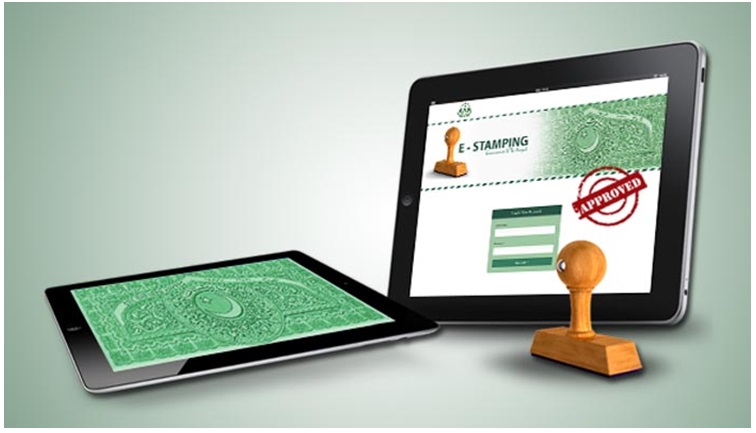
In the vast expanse of legal processes, documentation serves as the cornerstone of accountability and authenticity. Stamping legal documents has long been a fundamental practice, ensuring compliance with state and national laws. Traditionally, physical stamp papers have been the go-to medium for these transactions. However, with the advent of technology and the increasing focus on digitization, the concept of an e-stamp has emerged as a revolutionary alternative. The use of e-stamps for legal documents offers numerous benefits, redefining how transactions are carried out and introducing efficiency across various sectors.
What is an E-Stamp?
An e-stamp is essentially a digital version of the stamp paper traditionally used for legal documentation. Instead of visiting a vendor and purchasing physical stamp papers, individuals can now procure e-stamps online through authorized channels. E-stamping provides a secure and tamper-proof way to pay stamp duty, significantly reducing human dependencies and ensuring transparent documentation processes.
Whether you’re dealing with property transactions, rental agreements, or affidavits, the e-stamp system eliminates the cumbersome aspects of physical stamp paper acquisition and usage while adhering to all legal requirements.
Why E-Stamps Have Become Popular?
With the increasing adoption of technological solutions across industries, the legal and governmental landscapes are also undergoing reforms. Public policies like the 8th Pay Commission, which center around economic reforms and systematic ease of operations, indicate how systems are heading toward transparency and simplification. Legal documentation processes, therefore, are also aligning with this objective.
E-stamping reflects this move toward digitized solutions. The system ensures a smoother, faster, and more transparent way of transacting, keeping pace with a growing demand for efficiency and reliability in legal processes.
Key Benefits of Using E Stamps
E-stamping offers a host of advantages over physical stamp papers. Below are several reasons why individuals and institutions are increasingly favoring e-stamps for legal documents:
1. Convenience and Accessibility
One of the most significant advantages of e-stamping is its convenience. Physical stamp papers require individuals to locate vendors, wait in queues, and physically handle the paper during transactions. This can be challenging, especially when vendors face supply shortages or are geographically distant. E-stamp eliminates these challenges; users can easily procure stamps online from the comfort of their homes or offices at any time.
2. Time-Saving Process
In busy environments where time is money, waiting for physical stamp papers can often cause delays. E-stamping streamlines the process, ensuring users get access to stamps almost instantly upon payment. This efficiency particularly benefits individuals dealing with urgent legal transactions or large-scale documentation needs. Organizations attempting to align with new policies, such as those tied to the 8th Pay Commission, often require swift documentation processing, which e-stamping aptly supports.
3. Higher Security Levels
Physical stamp papers have long been susceptible to forgery, duplication, and other fraudulent practices. E-stamps, however, come with integrated security features. Since the system is digital, every e-stamp issued is unique, traceable, and tamper-proof. This greatly enhances the authenticity of legal transactions and reduces risks associated with counterfeiting.
4. Environmental Sustainability
In an era promoting eco-conscious behavior, e-stamping plays a part in reducing paper usage. The traditional physical stamp papers often lead to wastage and form a noticeable environmental footprint. E-stamping, being entirely digital, contributes to sustainability goals by minimizing reliance on physical resources like paper and ink.
5. Cost Efficiency
Although stamp duty charges remain unchanged whether you use physical paper or e-stamps, the cost efficiency of e-stamping comes from reduced logistical and operational expenses. The need for physical travel, vendor commissions, and associated costs get eliminated, making the digital medium more financially viable in both individual and organizational transactions.
6. Transparency and Accountability
Every e-stamp issued is traceable, offering better accountability to parties involved in legal transactions. This transparency ensures keeping corruption and malpractice in check. As systems like the 8th Pay Commission work toward ensuring fairness in pay structures, allied processes like e-stamping contribute to a larger framework of equity and oversight in administrative dealings.
7. Elimination of Shortage Problems
A common drawback of physical stamp papers is occasional shortages faced by vendors, particularly when certain denominations or types are required. These shortages can delay important legal processes. E-stamping eliminates such issues entirely since it is a virtual solution, ensuring uninterrupted access regardless of demand fluctuations.
8. Usability and Flexibility
E-stamp certificates can be easily integrated into digital workflows. Whether submitted online, transferred via email, or stored in secure digital archives, e-stamps perfectly align with modern business practices and individual needs. Physical stamp papers, on the other hand, are much less flexible and require manual handling throughout their lifecycle.
Impact on Systemwide Efficiency
Instituting reforms like the 8th Pay Commission signals a government’s intent to modernize operational frameworks, drive transparency, and enhance worker satisfaction. These systemic upgrades create ripple effects across allied sectors, including legal documentation and taxation processes. The rise of e-stamping embodies this shift, further adding value to a digitized approach in legal and economic systems.
Indian businesses, property buyers, and transactional systems all benefit enormously from such modern practices. E-stamping empowers participants at every level—be it individuals obtaining stamp duty payments for personal agreements or organizations processing large-scale transactions involving significant legal involvement.
Considerations When Using E Stamps
Despite its numerous benefits, individuals must ensure they follow correct procedures when opting for e-stamps:
- Verify Authentic Sources: Always procure e-stamps from authorized platforms to avoid fraud or misinformation.
- Understand Legal Requirements: While e-stamps comply with legal norms, ensure you understand how they fit specifically into your documentation process.
- Check System Compatibility: Keep a record of your e-stamp certificates and ensure they match the requirements for your intended use.
- Awareness of Stamp Duty Rates: Like physical stamps, e-stamps are still subject to varying stamp duty rates depending on the nature of the transaction and jurisdiction.
The Future of E-Stamping
In the future, as digitization continues to permeate every aspect of daily life, e-stamping is likely to take center stage in legal documentation processes. Increased reliance on technology, coupled with progressive government reforms like the 8th Pay Commission, signals how India is gearing up for a streamlined, digitized approach across sectors.
The convenience, security, and transparency offered by e-stamping align well with the evolving demands of trade, property transactions, and corporate legalities. As awareness grows, e-stamping stands poised as a preferred solution for individuals and organizations alike.
In conclusion, the benefits of e-stamps over physical stamp papers are undeniable. They offer a more efficient, secure, and environmentally friendly way to manage legal documents while fostering trust and transparency. As India moves toward digital transformation, e-stamping represents a step in the right direction, further simplifying one of the country’s most essential processes: legal documentation and adherence to statutory requirements.