

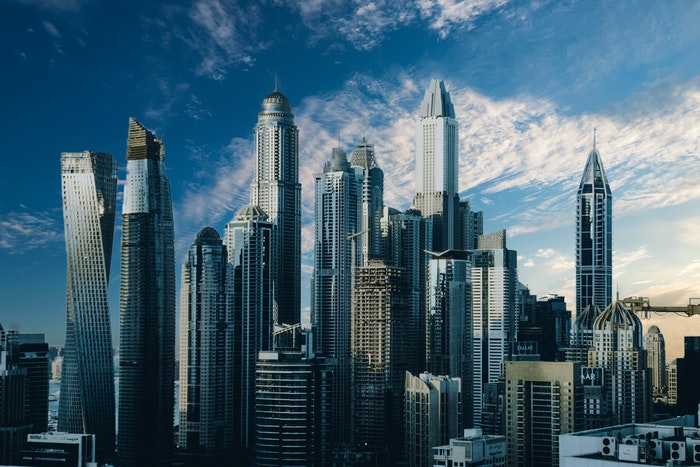
Architectural photography isn’t only about chronicling buildings. You will find that it’s far more layered, often stretching across preservation, commerce, art, and everyday life. Your choices here reflect both intent and audience. Are you after crisp documentation for historical records, emotionally resonant imagery for promotion, or visuals that push the boundaries of interpretation? The scope can be surprisingly broad, ranging from formal property shoots through to creative visual essays.
You might spot specialist photographers capturing restoration details for conservation trusts, while at the same time a marketing agency commissions an artist to interpret the curves of a new bridge. This convergence of documentation and design gives architectural photography its unique energy. Each option presents a different lens on the built environment. When you step into this world, you begin discovering not only how structures look but what they suggest about culture, ambition, and time itself.
Key Styles in Architectural Photography
Architectural photography offers several distinct styles, each with its own priorities and quirks. Your aim will shape which style best conveys your message or meets your project’s demands.
Exterior Architectural Photography
You see this everywhere from glossy estate brochures to coffee-table books. Exterior shots demand patience with weather, light, and even crowds. Go for sweeping cityscapes, or hone in on the geometry of one façade. These images often play with the relationship between the building and its setting – a glass office reflecting clouds, a Victorian terrace illuminated by morning sun. Your choice of angle and moment tells the story.
Interior Architectural Photography
Step inside, and the challenges shift. Now it’s about scale and atmosphere – catching the drama of vaulted ceilings, the invitation of a warm kitchen, or the subtle interplay of light across floorboards. Interiors call for precise control of light and colour. Soft box lighting might reveal textures, or you could use available daylight to catch a sense of calm. Remember, interiors often feel most inviting when you draw viewers in, letting them imagine standing right there.
Abstract and Artistic Approaches
Here’s where boundaries fall away. Maybe you’ll find graphic patterns in a stairwell or capture just a slice of coloured window. Abstract architectural photography trades realism for mood, often using unusual perspectives, reflections, or close crops. These images might never show a whole building, yet they’re instantly evocative. Artistic approaches suit portfolios, exhibitions, or projects where you want to evoke a sense of place in new, unexpected ways.
Essential Equipment and Tools for Architectural Photography
You will need more than a keen eye: kit matters. A full-frame DSLR or mirrorless camera lets you capture detail and handle big dynamic ranges. You should also consider lenses that offer minimal distortion, such as tilt-shift lenses – they keep lines true, where a typical wide-angle might create drama but can distort edges. A sturdy tripod is the reliable friend you’ll want for sharp, bracketed exposures, especially in tricky interiors.
For outdoor work, consider polarising filters to tame reflections on glass, and perhaps a drone if aerial perspectives appeal. Indoors, remote triggers, light meters, and softboxes become your allies. Each tool solves a specific problem: awkward lighting, tight spaces, or hard-to-reach angles. It’s about suiting your gear to each space, so you capture the essence, not only the facts.
Techniques for Capturing Stunning Architectural Shots
You will find that successful architectural shots result from intentional, sometimes patient, technique.
Natural Light Versus Artificial Lighting
Light paints the mood. Morning sun across stone, late-afternoon glow, or the refracted brightness through stained glass can all shift the soul of a photograph. Natural light can conjure honesty and scale, but it isn’t always reliable. You might need to introduce artificial lighting for clarity or drama, especially in interiors. Make use of off-camera flash, softboxes, or continuous LED panels – always balancing them so that shadows remain flattering and detail pops. The dance here is subtle: you’ll want consistency but not flatness.
Perspective, Angles, and Composition
Where you choose to stand, crouch, or even hover – that decision sets your shot apart. Play with perspective to keep lines straight. Use leading lines to draw the eye, or unexpected angles to suggest scale. Low views can stress power, high angles might flatten a building onto its context. Composition tools like the rule of thirds or framing with foreground objects can give viewers a sense of place. You should experiment, tweak, and sometimes go with gut instinct over rules.
Post-Processing Considerations
The story isn’t over after the shutter clicks. Editing underpins most professional architectural photography options. You might need to straighten perspectives, correct colour casts, or balance sky and shadow. Subtlety is key – overcooked contrasts or artificial skies can deaden believability. Use Lightroom or Photoshop to polish without stripping personality. Dust spots, stray reflections, or excessive lens flare have no place in a final image. Consider HDR blends for tricky lighting or blending exposures to unite perfect skies with pin-sharp interiors. Above all, strive for authenticity: you will want images that invite second looks without ringing false.
Choosing the Right Architectural Photography Option for Your Needs
With so many paths, your choice depends on end goals and budget. For commercial developments, focus on clarity, polish, and broad context – images that inspire confidence. Residential listings might require inviting, softly styled interiors. If your target is architects or designers, prioritise detail and design thinking. Artistic projects benefit from a free hand: bold cropping, atmospheric lighting, or creative blur. You should ask yourself what you want viewers to remember – technical precision, inviting atmosphere, or conceptual intrigue. In the case that you’re unsure, consult with experienced pros who can guide you toward the approach best fitted to your brief.
You’ll also need to weigh logistical factors: time of day for shoots, access to certain locations, even the weather forecast, which can transform a scene utterly. In short, your options should flex with your project’s demands, so that the end result feels both fresh and fit for purpose.
And In Closing
Every building waits for the right lens, viewpoint, and moment. Your architectural photography options will nudge your work from ordinary to quietly extraordinary – sometimes all that changes is the attention paid to detail, timing, or process. The next time you set out, pause to search for those private conversations between light, shape, and space. You might discover the shot you were waiting for comes from walking around the corner, or looking up just once more. It’s about creating images that do more than record, they resonate.