

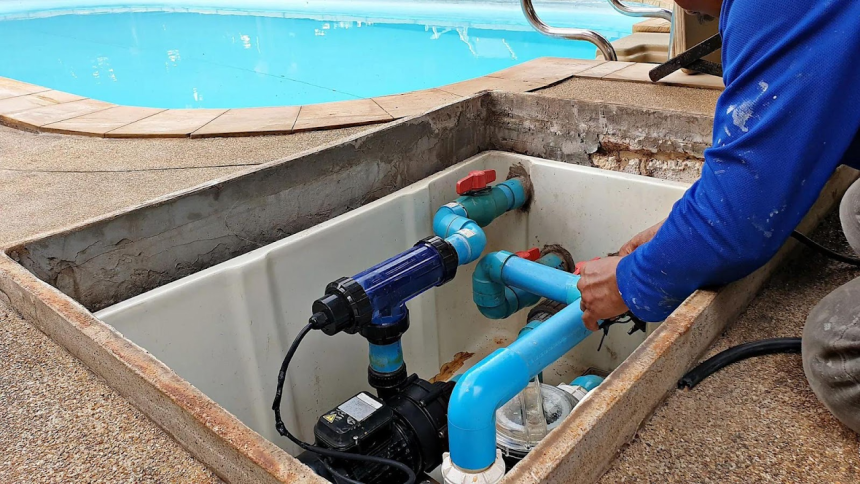
Discover how swimming pool pumps keep your pool sparkling clean and safe. Learn how these essential devices circulate water, filter out debris, and maintain chemical balance, ensuring a healthy swimming environment. Whether you’re a pool owner or planning to install one, understanding pool pumps is key to perfect pool maintenance.
Owning a swimming pool brings relaxation, fun, and a sense of luxury, but it also comes with essential maintenance responsibilities. One of the most vital yet often overlooked components is the Swimming Pool Pumps. Think of it as the heart of your pool’s circulation system: without it, water would stagnate, debris would accumulate, and chemicals would remain unevenly distributed. The pump continuously moves water through your pool’s filtration and heating systems, ensuring that every corner of the pool stays clean, safe, and comfortable.
Circulating water helps remove leaves, dirt, and other impurities while maintaining a balanced chemical environment, which is critical for preventing algae growth and bacteria. Understanding how your swimming pool pump works and following simple maintenance steps can make a significant difference in pool performance, longevity, and energy efficiency. In this guide, we’ll explore their operation, benefits, and practical tips for keeping them in top condition.
Getting to Know Swimming Pool Pumps
At its core, a swimming pool pump is a mechanical device that moves water through the pool’s filtration system. By circulating water, the pump ensures that chemicals like chlorine are evenly distributed, and the filter captures debris. Without a pump, water stagnates, promoting algae growth, bacteria, and other contaminants.
Most modern pools use centrifugal pumps, which use an impeller to push water through pipes and filters. While the technology is simple, the impact is significant, keeping the pool safe, clean, and enjoyable.
How Swimming Pool Pumps Maintain Water Circulation
Water circulation is critical to pool hygiene. Here’s how pumps achieve it:
- Suction and Filtration:
The pump draws water from the pool through skimmers and drains, sending it to the filter, where debris and impurities are removed. - Chemical Distribution:
Circulation helps chemicals mix uniformly, ensuring the water stays balanced and preventing localised issues like cloudy patches or algae hotspots. - Heater Efficiency:
If your pool has a heater, circulating water ensures that heat is evenly distributed, giving you a comfortable swimming experience throughout the pool. - Preventing Stagnation:
Continuous water movement discourages algae growth and reduces the risk of bacteria multiplying, which keeps the pool healthier and safer for swimmers.
Key Features to Look for in a Pool Pump
Choosing the right pump affects performance, energy efficiency, and long-term maintenance. Consider these features:
- Flow Rate: Measured in gallons per minute (GPM), it determines how quickly water moves through the system. Match the flow rate to your pool’s size for optimal circulation.
- Energy Efficiency: Variable-speed pumps use less electricity and provide customizable flow, saving money over time.
- Durability: Pumps built with corrosion-resistant materials last longer and require less maintenance.
- Quiet Operation: Modern pumps are designed to operate quietly, enhancing your pool experience.
Common Pool Pump Maintenance Tips
Proper maintenance ensures your pump runs efficiently and prolongs its lifespan. Here are some practical tips:
- Regular Cleaning: Remove debris from the skimmer basket and pump strainer to prevent clogs.
- Inspect Seals and O-Rings: Check for wear and replace as needed to prevent leaks.
- Monitor Flow Rate: Sudden drops may indicate a blockage or impeller issue.
- Lubricate Moving Parts: Some pumps require occasional lubrication to keep them running smoothly.
- Seasonal Shutdowns: In colder climates, follow manufacturer guidelines to winterise your pump and prevent damage.
Benefits of Properly Functioning Pool Pumps
Maintaining properly functioning Swimming Pool Pumps provides a range of essential benefits that enhance both the pool’s performance and longevity. First and foremost, adequate circulation keeps water clean by removing debris, preventing cloudiness, and reducing the risk of algae growth. At the same time, consistent water movement ensures chemicals, such as chlorine, are evenly distributed, maintaining a balanced and safe swimming environment. A well-maintained pump also helps extend the lifespan of other pool equipment, including filters and heaters, by reducing unnecessary strain.
Additionally, modern energy-efficient pumps, combined with regular upkeep, can significantly lower electricity consumption, saving money over time. Overall, investing in proper maintenance ensures a cleaner, safer, and more cost-effective pool experience for all users.
Key Takeaways
- Swimming pool pumps are essential for circulation, chemical distribution, and overall pool health.
- Choose a pump based on flow rate, energy efficiency, durability, and noise level.
- Regular maintenance keeps pumps running smoothly and extends their lifespan.
- Efficient pumps save energy, improve water quality, and protect other pool equipment.
- Continuously monitor water flow and address issues promptly to prevent costly repairs.
Conclusion
Understanding and properly maintaining your Swimming Pool Pumps is essential for anyone who wants to enjoy a clean, safe, and inviting pool all year round. These pumps are the backbone of your pool’s circulation system, quietly working to keep water moving, debris filtered, and chemicals evenly balanced. Without them, water can become stagnant, cloudy, or even unsafe for swimming. Choosing the right pump for your pool’s size and needs, combined with regular maintenance, not only enhances performance but also prevents costly repairs and extends the lifespan of other pool equipment, such as filters and heaters. Simple routines like cleaning the strainer, checking seals, and monitoring flow can make a significant difference in efficiency and energy consumption.
By investing in a high-quality pump and following these practices, you ensure a consistently sparkling, healthy pool.